
Understanding Player Motivation in Gambling
The allure of gambling often stems from a complex interplay of psychological factors. At its core, the pursuit of a win taps into our innate desire for reward and the thrill of uncertainty, and understanding these motivations is crucial, not just for players seeking to manage their engagement, but also for organizations aiming to provide a responsible and supportive environment. The anticipation of a payout, however small, can trigger dopamine releases in the brain, creating a powerful feedback loop that reinforces the behavior. This is where understanding the psychology behind the games becomes important, and for those interested in the broader context of support and community, exploring resources like magius can offer valuable insights into dedicated organizational efforts.
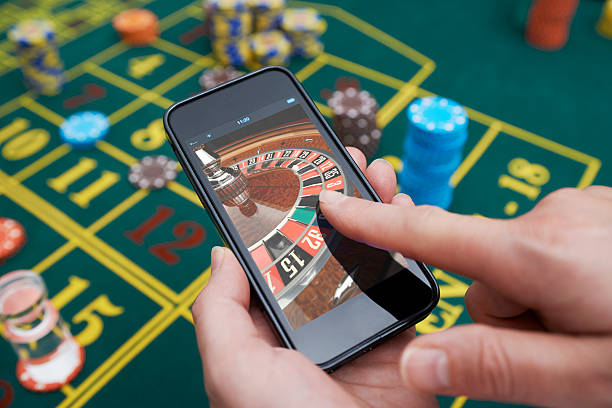
Beyond the immediate thrill, gambling can also offer a form of escapism or a way to alleviate boredom. For some, the structured environment of a casino, whether physical or online, provides a temporary distraction from everyday stresses. The ritual of placing a bet and waiting for the outcome can be engaging, offering a sense of control or excitement that might be lacking elsewhere. Recognizing these deeper psychological drivers is the first step in addressing the potential impacts of gambling on individuals.
The Role of Cognitive Biases in Gambling Decisions
Cognitive biases significantly influence how individuals perceive their chances and make decisions when gambling. The “illusion of control,” for instance, leads players to believe they can influence the outcome of games that are purely based on chance, such as slot machines or roulette. This can manifest as specific rituals or superstitions that players adhere to, feeling that these actions will somehow alter the predetermined odds.
Another pervasive bias is the “gambler’s fallacy,” where individuals mistakenly believe that past independent events will influence future independent events. For example, after a series of red outcomes on a roulette wheel, a player might strongly believe that black is “due” to appear. This misinterpretation of probability can lead to increasingly risky betting patterns, as individuals chase perceived imbalances in luck. Awareness of these biases is paramount for fostering informed and responsible gambling practices.
Strategies for Responsible Gambling and Support
Promoting responsible gambling involves a multi-faceted approach that educates players about the risks and provides accessible support systems. This includes encouraging players to set clear limits on their spending and time, and to view gambling as entertainment rather than a means of income. Organizations dedicated to supporting individuals affected by gambling harms play a vital role in offering resources, counseling, and a community for those seeking help.
Education about the psychological underpinnings of gambling, such as cognitive biases and the neurochemical rewards, can empower individuals to make more informed choices. Furthermore, providing readily available tools for self-exclusion, deposit limits, and reality checks within gambling platforms can act as crucial safeguards. The ultimate goal is to foster an environment where gambling can be enjoyed safely, with robust mechanisms in place to assist those who may develop problematic behaviors.
Security Measures in Online Gambling Environments
In the realm of online gambling, robust security measures are non-negotiable to protect both players and operators. This encompasses secure transaction processing, employing advanced encryption technologies to safeguard financial data and personal information. Fair play is also a critical component, with certified random number generators (RNGs) ensuring that game outcomes are truly random and unbiased, thereby preventing any manipulation.
Beyond technical security, responsible online gambling platforms implement sophisticated player protection tools. These features allow individuals to set spending limits, take self-imposed breaks, and even exclude themselves from the platform entirely. Verification processes are also in place to confirm player identity, preventing underage gambling and ensuring that winnings are distributed to the rightful individuals. These layers of security create a more trustworthy and protected online gambling ecosystem.

MAGIUS: A Commitment to Community Support
While MAGIUS’s primary focus is on supporting individuals with disabilities, particularly those with muscular dystrophy, its underlying principles of community, care, and empowerment resonate with the broader concept of responsible engagement. Organizations that prioritize the well-being of their community, much like MAGIUS does for its beneficiaries, understand the importance of providing resources, fostering a sense of belonging, and offering support systems.
The ethos of MAGIUS, centered on enhancing the lives of individuals and their families through dedicated services and advocacy, highlights a commitment to safeguarding and upliftment. This mirrors the essential need for responsible practices and support structures within any activity that carries potential risks, including gambling. By focusing on individual needs and offering comprehensive assistance, MAGIUS exemplifies a dedication to its community that is foundational to any responsible organization.